
When I discuss my photography and give presentations, I notice people are often surprised when I say I practice photo editing. Not only do I spend time practising, but I frequently experiment, trying to refine and improve my skills. Many photographers seem to be under “the illusion” that once something has been mastered, we can set it aside and move on to the next challenge. Nothing could be further from the truth.
Like any other skill, photo editing requires consistent practice to perform well. It’s also essential if we are to evolve with emerging trends in photography as new photographers and techniques come to the forefront. These emerging talents often produce superior work that warrants our attention and incorporation into our practices if we are to improve.
So, I want to share a practice image this week, having stayed indoors due to the weather and a heavy workload.

Last year, I shot this woodland scene in Padley Gorge in the Peak District. On the morning in question, there was a wonderful mist among the trees, and at times, the sun would burst through, producing beams of light. But despite these being some of the best conditions I’ve seen in the UK, I didn’t capture the mist or light well in this image. To illustrate, here’s a screenshot of the original RAW file.

As you can see, I’ve added light and mist to the scene, trying to make it appear natural.
Adding realistic mist to a landscape scene is one of the most challenging tasks because you need to consider the distance of objects from the camera. For example, I needed to add more mist to the trees further away and less to those nearby.
I have recently become more interested in this, as I have noticed many images on Instagram where additional mist has been added, often poorly. It is usually possible to see brush strokes that overlap the edges of trees, creating halos around them that appear artificial when viewed in a smaller image.
Although automated tools and AI-driven depth maps exist to do this, I have yet to find a method that surpasses the quality achieved through traditional photo editing techniques. This hasn’t stopped me from experimenting and investigating these, just in case.
The method I’m using is to add a layer containing the mist effect to the image. I then hide the mist before creating a Darks 1 Luminosity selection from the original image. A Darks 1 selection selects the darkest areas most and the lightest areas least. I then paint through this selection using a low Opacity brush and Black.
As I paint, the mist is gradually hidden in those areas. This allows me to paint over the foreground trees more to create the feeling of depth. In addition to this, I apply burning to the foreground areas by painting using a Luminary selection. You can see an example of this below.
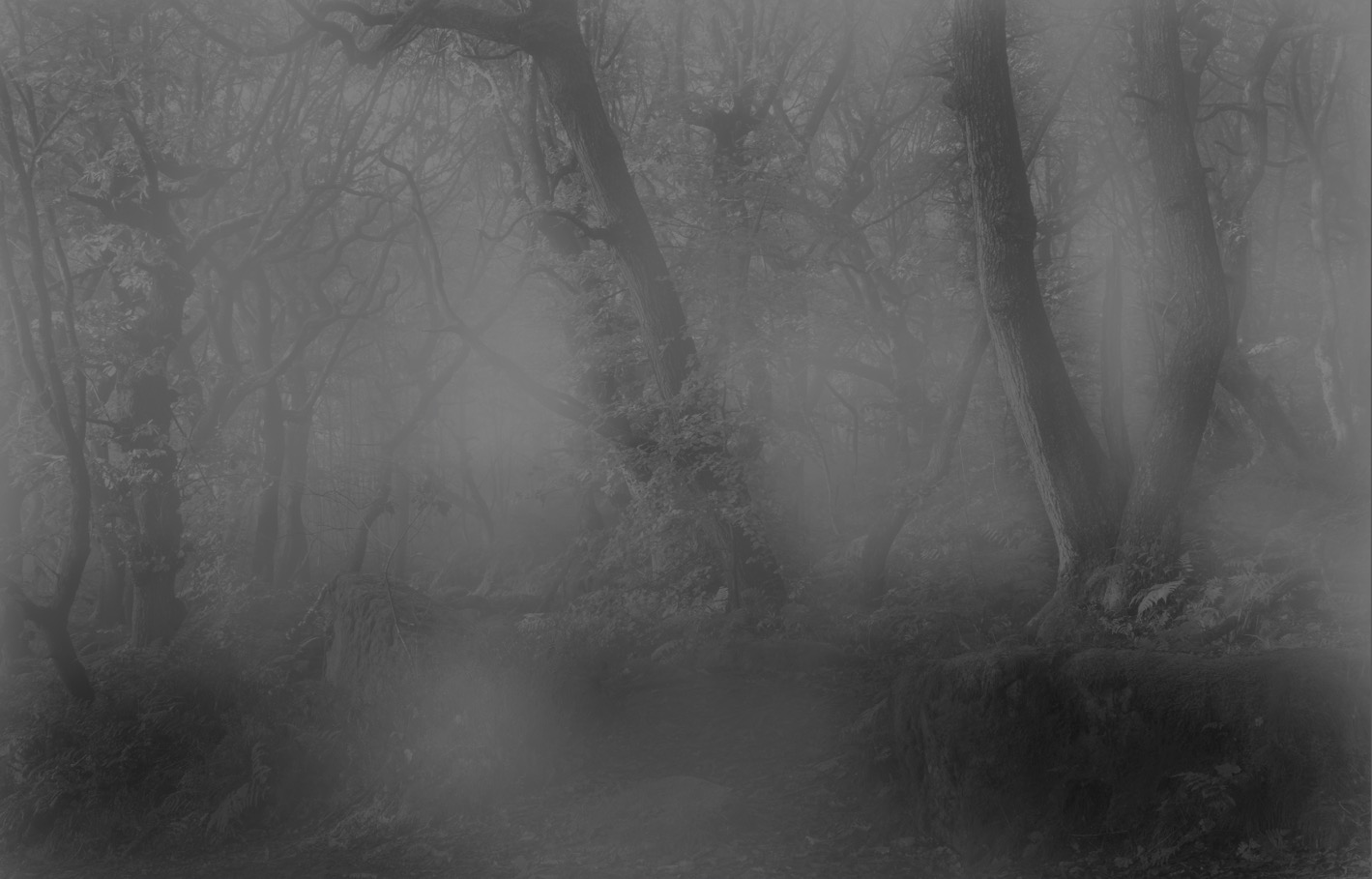
This method still requires that I paint carefully, but the results appear more convincing than any of the automated tools I’ve tried. It just takes time to develop skills when working with the method.
Putting aside whether you would add mist to an image (some will consider it cheating), would you prefer to use an automated method or develop your skills using an approach like the one I outline? It’s an interesting question, and I’ve found photographers often prefer one over the other. Let me know in the comments if you have a clear preference.
Have a great weekend.
 The Lightweight Photographer
Io lo considero un imbroglio
That’s not the question. Do you think it’s better to practice editing skills or is it better to use AI?
Obbedisco: meglio esercitarsi nelle capacità di editing
I also think it’s better to practice editing than rely on AI to do it for us.
Merry Christmas to you and your family!
Robin, there is no need to reply to this e-mail. I just wanted to tell you that I have fallen in love with mist and fog this Fall but have been uncertain how to process my images and unhappy with my results so far.I really like your approach outlined herein and I will experiment with it first chance I get (after Christmas!). Thanks tons for the ideas you shared. Dan PS Merry Christmas and a Happy New Year to you and yours.
Thanks. It just requires practice, like most things in photography. Personally, I think taking control of changes and making decisions based on our own preferences is much better than allowing AI to do things for us.